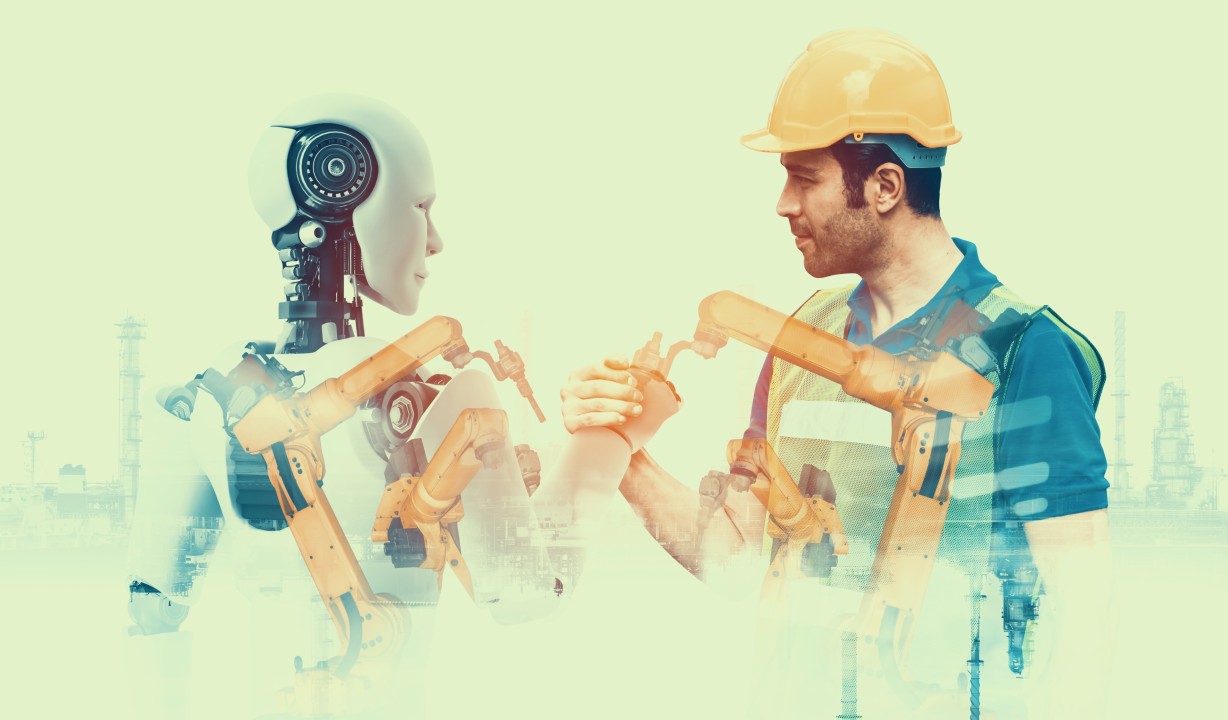
In today’s dynamic digital landscape, the integration of artificial intelligence (AI) brings forth both challenges and opportunities for organizations globally. As industries adapt to disruptive technologies like Gen AI, the imperative to equip human workers with the skills necessary to collaborate effectively with AI becomes increasingly paramount.
In my professional journey, transformative projects aimed at reshaping how organizations approach change management in the digital age have been a cornerstone. My journey as a change manager has revealed the intrinsic value of distinctly human skills intertwined with the new technology capabilities.
In terms of Navigating AI and change management Creativity, empathy, and strategic thinking are the pillars of Training and Upskilling strategy. The symbiotic relationship between technology and human ingenuity is evident, with AI serving as a catalyst for realizing human potential.
Exploring Harmonization: Key Questions for Effective Collaboration
As organizations embark on their AI integration journey, following questions serve as guideposts for navigating the evolving landscape of work and technology.
Identifying Complementary Strengths: How can organizations pinpoint the strengths of AI and human workers, understanding where each excels?
Balancing Automation and Creativity: In what areas can AI handle repetitive tasks, allowing humans to focus on creative, strategic, or empathetic aspects of their roles?
AI as a Learning Aid: How can AI serve as a tool for continuous learning, aiding human workers in acquiring new skills and staying updated in rapidly evolving fields?
Enhancing Decision-Making: In what ways can AI contribute to decision-making processes without overshadowing human judgment, ensuring a harmonious blend of data-driven insights and human intuition?
Fostering Collaboration: How might we encourage collaborative efforts between AI and human teams, fostering an environment where diverse perspectives lead to more robust outcomes?
Adaptability and Flexibility: How can we create systems where AI adapts to the changing needs of human workers and vice versa, promoting flexibility in response to evolving challenges?
User-Friendly AI Integration: What strategies can be employed to ensure that AI tools are user-friendly, encouraging widespread adoption among human workers?
Ethical Considerations: Are there ethical guidelines and considerations in place to guide the use of AI, ensuring that the harmonization process aligns with values and societal norms?
Continuous Feedback Loop: How do we establish a continuous feedback loop where humans provide insights into AI performance and AI contributes valuable feedback for human improvement?
Upskilling Initiatives: What upskilling initiatives are in place to empower human workers with the skills necessary to collaborate effectively with AI?
By empowering human workers with the skills and mindset needed to collaborate effectively with AI, organizations can unlock new realms of innovation and productivity.

 Minniie Juneja