Beyond AI adoption: Consciousness, organizational psychology, human judgment, and the future of work What happens when one of the world’s … More
Change Catalyst, Management Consultant & Coach
Beyond AI adoption: Consciousness, organizational psychology, human judgment, and the future of work What happens when one of the world’s … More
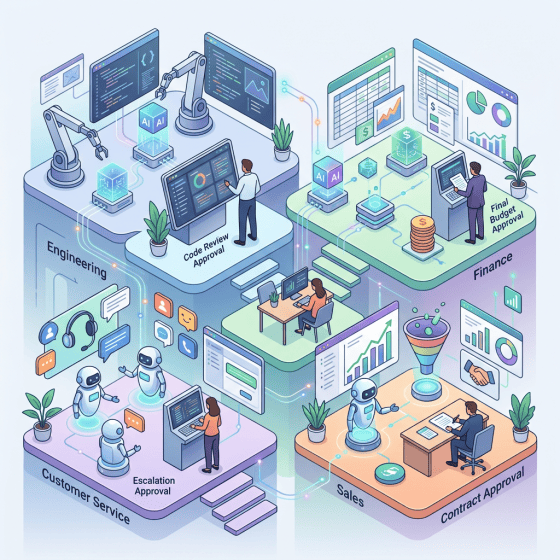
As AI evolves, the focus shifts from technology adoption to human behavioral readiness. Leaders must navigate new questions about decision-making, trust, and accountability as AI assumes more responsibility. Addressing identity shifts and fostering understanding of evolving roles is crucial for successful AI integration and improved decision-making in organizations.

As AI makes intelligence increasingly abundant, the real scarcity may shift to human adaptability, judgment, trust, imagination, and purpose. The next wave of transformation will not be defined simply by how quickly organizations adopt AI, but by how effectively they redesign work, leadership, and operating models around human-AI collaboration. The question is no longer only what AI can do—it is what kind of organizations, leaders, and humans we want this technology to help us become.

What if the smallest choices we make with our attention are quietly shaping who we become—and how we lead? I … More

For the past two years, the conversation around AI has largely centered on adoption. Organizations invested in licenses, prompt engineering, … More

The Next Transformation Isn’t About AI. It’s About Human–AI Collaboration. By Minniie K. Juneja For the past three years, organizations … More

In the age of AI, the real bottleneck isn’t data or tools — it’s human attention, safety, and meaning. For … More

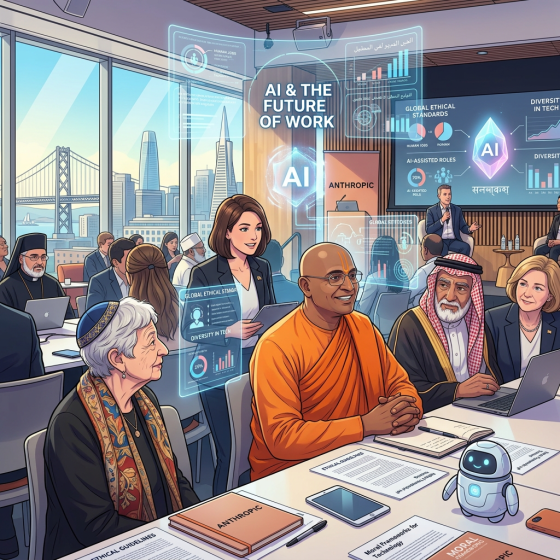
In the rapidly evolving AI landscape, ethical leadership is crucial for navigating its impact on organizational culture and societal well-being. Leaders must prioritize authenticity, trust, and happiness to ensure AI benefits humanity. The recent Davos 2025 summit emphasized the need for ethical frameworks in AI integration, driving meaningful change and positive global impact.

In today’s rapidly evolving workplace, the ability to manage change effectively is crucial. Organizations are turning to innovative solutions to … More

In today’s dynamic digital landscape, the integration of artificial intelligence (AI) brings forth both challenges and opportunities for organizations globally. … More

