Four colleagues collaborating around a glowing digital interface at a wooden table

When Intelligence Becomes Abundant, What Becomes Scarce?

As AI makes intelligence increasingly abundant, the real scarcity may shift to human adaptability, judgment, trust, imagination, and purpose. The next wave of transformation will not be defined simply by how quickly organizations adopt AI, but by how effectively they redesign work, leadership, and operating models around human-AI collaboration. The question is no longer only what AI can do—it is what kind of organizations, leaders, and humans we want this technology to help us become.

Ethical Leadership in AI: The People-First Imperative

In the rapidly evolving AI landscape, ethical leadership is crucial for navigating its impact on organizational culture and societal well-being. Leaders must prioritize authenticity, trust, and happiness to ensure AI benefits humanity. The recent Davos 2025 summit emphasized the need for ethical frameworks in AI integration, driving meaningful change and positive global impact.

From Risk to Reward: Embracing AI for Enhanced Workplace Productivity

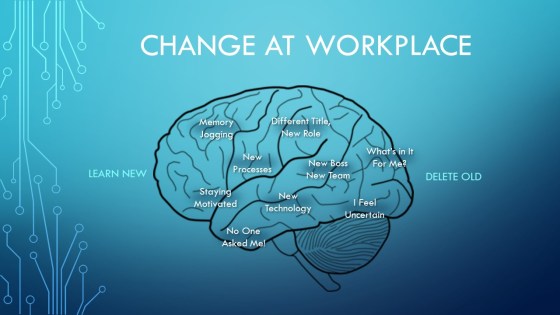
As businesses increasingly adopt AI, it’s essential to address challenges such as data privacy, employee resistance, skill shortages, integration issues, and bias. Effective communication, employee involvement, training, establishing change champions, and laying ethical guidelines are key to a successful AI implementation. Besides, it’s important to reward behaviors that align with successful AI integration. Such proactive measures allow organizations to harness the full potential of AI, fostering innovation and growth.